
The Brihadeeshwarar temple of Tanjore is an outstanding representation of the devotion and architecture of the Chola dynasty. This granite temple was built over a thousand years ago reflects the artistic excellence, engineering knowledge, and religious value of its age. The temple is located in Thanjavur, Tamil Nadu, functions as a place of worship and also serves as a historical site for scholars and visitors. It is one of the most recognized monuments in Tamil Nadu because of its massive structure, ancient inscriptions, and old traditions.
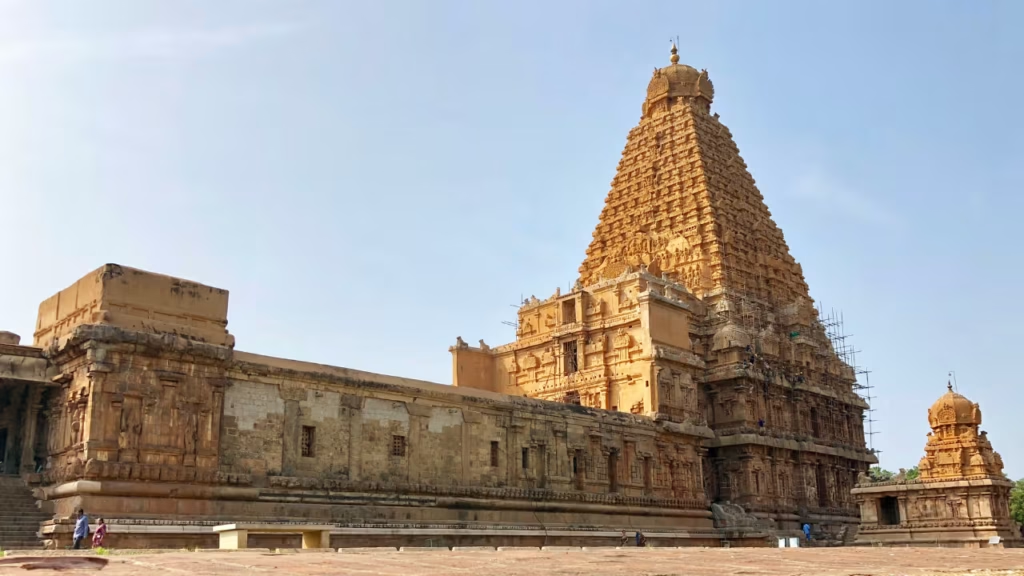
Historical Thanjavur Periya Temple
The Brihadeeshwarar Temple was constructed during the reign of the great Raja Raja Chola I, who is one of the most powerful and visionary rulers of the Chola dynasty. The temple was built in the early eleventh century, with inscriptions indicating that construction began around 1003 CE and completed by 1010 CE. This short construction time showcases the administrative strength, resource planning, and skilled workforce available in the Chola empire. The temple was originally named Rajarajeswaram, a title that directly honored the king and symbolized his devotion to Lord Shiva.
The history of Thanjai Periya Kovil is well-preserved through a large number of inscriptions carved on the temple walls. These inscriptions are the most detailed historical records of the Chola period. They document everything from the lands given to the temple, lists of villages assigned for temple maintenance, and details of gold, livestock, and agricultural resources produced for donating during the rituals. These records show that the temple was supported by a structured economic system rather than specific royal generosity.
The Brihadeeshwarar temple history also highlights the temple’s role as a center for administration. Temple officials, accountants, priests, guards, and craftsmen all are mentioned in the inscriptions. Temple operations were properly regulated with clear records of wages and responsibilities. The presence of these details indicates that the temple functioned as a center of governance along with a place of worship.
Religious practices at the temple were established according to Agamic traditions, which controlled temple rituals, architecture, and daily worship. Lord Shiva is the main deity worshipped here as Brihadeeshwarar, representing supreme power and cosmic order. Daily rituals, seasonal festivals, and special offerings were carefully planned and these practices have continued without interruption for centuries. This unchanging behavior strengthens the historical value of the temple as a living structure.
Also, the temple has a deep connection with both art and culture. Records mention the presence of devadasis, musicians, and drummers who performed during rituals and festivals. These performances were not only casual offerings but structured services funded by temple funds. The temple became a center where religious devotion, classical music, and dance were closely linked.
After the fall of the Chola dynasty, the temple remained active under successive rulers such as the Pandyas, Nayaks, and Marathas. These dynasties made minor additions and repairs to the temple, without changing the original structure and ritual practices. The temple continued to receive patronage and respect even during the periods of political instability.
Over time, the Brihadeeshwarar Temple gained recognition as a historical and cultural landmark in addition to a place of worship. Today, it stands as a detailed stone record of medieval South Indian society. It’s inscriptions, rituals, and architectural scale provide valuable insight into Chola administration, religious life, and artistic traditions that shaped the history of Tamil Nadu.
Specialties of Brihadeeshwarar Temple
The Brihadeeshwarar Temple is distinguished by its size, design, and preservation. Every structural and artistic element reflects the disciplined approach of Chola builders and the importance they placed on a life centered around temples. The temple stands as a reference for architecture, sculpture, and ritual practice in South India.
Monumental Vimana
The vimana above the main sanctum is one of the tallest ever built stone during that era. It dominates the landscape of Thanjavur, rising high above the temple complex and reflects careful calculation in weight distribution and alignment. The massive stone crowning the vimana remains a study of architectural research because of the techniques involved in lifting and positioning it without any modern tools. This achievement places the temples among the greatest temples in the world, as it shows early mastery over large scale stone construction.
Built with Granite
Granite is used regularly throughout the temple, from the base structure to the uppermost sections. This stone was not readily available in abundance near Thanjavur, so transporting it required organized labor and strong administrative planning. The precision with which the blocks were cut and fitted shows the skills of Chola craftsmen. This extensive stone usage reinforces the temple’s importance as a major historical place in Tamil Nadu, showcasing the resources and planning capacity of the period.
Monolithic Nandi Sculpture
The Nandi statue placed along the temple’s main axis is carved from a single stone block. Its size, alignment, and surface finish highlight the sculptors understanding of proportion and form. Before entering the inner areas of the temple, devotees traditionally stop here to offer prayers to Nandi. The sculpture is one of the most photographed features of the temple and makes this place as a must-visit places to see in Thanjavur.
Sculptures Reflecting Shaiva Traditions
The outer walls and inner corridors are covered with sculptures representing various forms of Lord Shiva, divine attendants, and mythological scenes. Each figure allows established artistic guidelines, reflecting consistency in religious representation. These sculptures serve both decorative and instructional purposes, conveying stories and beliefs to worshippers. The style and detailing of the sculptures make this temple as one of the popular South Indian famous temples.
Inscriptions as Historical Sources
Large number of inscriptions are carved into the walls of the temple. Land grants, temple expenses, staff appointments, and ritual schedules are all described in these inscriptions. They provide direct information about the social and economic structure of the time. As historical records, they offer scholars valuable insight into governance, religious practices, and community organization during the Chola period.
Chola Period Paintings
Inside the temple corridors, traces of wall paintings from the Chola period can be still seen. These paintings show deities, royal figures, and ceremonial scenes connected with temple rituals. Although, the paintings are partially faded, they reveal the painting techniques and color choices used during that time. These artworks add more depth to the temple’s artistic history and complement its sculptural elements.
Shadow Alignment Phenomenon
One noticeable architectural feature is the belief that the vimana does not cast a shadow on the ground at noon during certain periods of the year. While opinions may differ, this aspect reflects the thoughtful planning involved in temple orientation and architecture design.
International Recognition
The Brihadeeshwarar Temple is recognized as a UNESCO World Heritage Site, because of its architectural value and historical importance. This recognition places the temple among monuments that represent outstanding human achievement and reinforces its status as a preserved symbol of Chola legacy.
Special Occasions in Brihadeeshwarar Temple
The Brihadeeshwarar Temple follows a well-defined Shaiva traditions ritual calendar. These occasions reflect traditional practices that connect daily worship with seasonal and lunar observances. During festivals and sacred days, the Thanjavur periya temple functions as an active center of devotion, attracting worshippers who participate in rituals that have continued for centuries.
Maha Shivaratri
One important part of the temple’s religious calendar is Maha Shivaratri. The occasion is dedicated entirely to Lord Shiva and is marked by continuous worship all-through the night. Special abhishekams are performed using water, milk, and sacred offerings at regular intervals. Devotees stay awake, chanting hymns, and participating in poojas conducted by temple priests. The atmosphere during this night reflects deep spiritual discipline and group dedication, making it one of the most famous occasions of the temple.
Pradosham Rituals
Pradosham is observed twice every month evening hours on the thirteenth day of the lunar cycle. Devotees gather in large numbers on these days to participate in rituals honoring Lord Shiva and Nandi. Special poojas are conducted, and the atmosphere of the temple becomes extremely religious. Pradosham days are considered great for worship, and the practice has been followed at the temple without interruption for generations.
Annual Temple Consecration Day
The consecration anniversary of the temple remembered its original dedication during the Chola period. Special rituals are conducted to honor the temple deity, and additional ceremonies are performed throughout the day. Cultural programs including traditional music and devotional recitations are organized within the temple complex. This occasion shows the historical continuity of worship practices established during the reign of Raja Raja Chola I.
Sathaya Vizha
Sathaya Vizha is a historically famous occasion celebrated to mark the birth star of Raja Raja Chola I. This event is most important at the temple, as the king was the patron who ordered the temple’s construction. On this day, special rituals and prayers are conducted in honor of the temple founder. Cultural programs, historical discussions, and devotional recitations take place to reflect the Chola tradition. Sathaya Vizha connects the temple’s religious life with its historical origins and highlights the continued respect for royal patronage in temple traditions.
Chithirai Festival
Ceremonial rituals take place inside the temple compound during the Chithirai festival. Deities are decorated and taken along specified routes as part of ritual movement. Devotees participate through offerings and prayers, maintaining customs connected with the traditional Tamil calendar.
Aippasi Festival
This festival takes place during the Tamil month of Aippasi, highlights disciplined worship and ritual purity. Special poojas are conducted, and devotees follow vows and fasting. The festival highlights the structured nature of temple observances and the role of seasonal worship in Shaiva practices.
Daily Ritual Cycles
Apart from major festivals, the temple follows a strict schedule of daily rituals performed in the morning, afternoon, and evening. These include abhishekam, alangaram, and deeparadhana. These practices form the foundation of temple life and maintains uninterrupted worship.
Tanjore Brihadeeshwarar Temple Timings
The Tanjore periya kovil follows a fixed schedule of daily worship that reflects long standing Shaiva traditions. Temple timings are structured to accommodate ritual practices rather than just the convenience of visitors. This allows devotees to participate in poojas that have been followed in the same format for centuries.
Daily Opening Hours
Morning Session: 5:30 AM to 12:30 PM
The temple opens early in the morning, usually around 5.30 AM, allowing devotees to attend the first ritual of the day. Morning worship starts with abhishekam, where the main deity is ceremonially bathed using water and other sacred substances. This is followed by alangaram, during which the deity is decorated with flowers and ornaments. For a peaceful darshan experience, many devotees choose to visit in the early hours, which are said to be spiritually significant.
Midday Break: 12:30 PM to 4:00 PM
After the morning poojas, additional rituals are performed until the late morning hours. The temple conducts a brief worship session around noon before closing for a few hours. This break allows priests to prepare for the evening rituals and maintain the sanctum according to traditional practices. During this time, darshan to public is not permitted.
Evening Session: 4:00 PM to 8:30 PM
The temple reopens in the evening, usually around 4:00 PM. Evening worship includes alangaram and deeparadhana, where lamps are lighted and offerings are made. The atmosphere during evening hours is devotional, with chanting and temple bells forming part of the ritual setting. Many people plan their visit during this time to see the ceremonial lighting.
Ritual Time Slots
While the temple compound is open during the above sessions, several specific rituals take place within them.
- Palabhishekam: 8:30 AM – Ritual bathing of the deity.
- Vucha Kalai Pooja: 12:00 PM – Midday worship and offerings.
- Sai Rakchay Pooja: 6:00 PM – Evening protective worship.
- Arthajamam: 8:30 PM – Final pooja marking the conclusion of daily worship.
Understanding the Thanjavur big temple timings helps devotees plan their visit to align with important worship services rather than arriving during closure hours.
Dress code and Restrictions in Brihadeeshwarar Temple
The Brihadeeshwarar temple follows traditional guidelines that reflect its long-standing religious practices. These rules are followed to maintain the holiness of the temple and to respect the traditions associated with Shaiva worship. Visitors are expected to follow these practices while entering the temple premises.
Dress Code for Visitors
Devotees and visitors are required to wear modest and traditional clothing while visiting the temple. Men are encouraged to wear dhotis, veshtis, or full-length trousers along with proper shirts. Women are expected to wear sarees, salwar suits, or other full-length traditional attire. Clothing that exposes shoulders, knees, or the midsection are strictly prohibited especially within the inner areas of the temple.
This dress practice shows the temple’s importance on discipline and devotion. Visitors dressed appropriately are able to move freely within permitted areas and participate in darshan without restriction.
Footwear and Entry Rules
Footwear is strictly not allowed inside the temple compound. Before entering, shoes and sandals must be removed and placed in proper areas outside. This practice is followed as a sign of humility and respect. Walking barefoot within the temple is considered part of the devotional experience.
Visitors are also advised to avoid carrying leather items such as belts, wallets, or bags made from animal hide, as these are usually prohibited in Shaiva temples.
Photography and Mobile Phone Restrictions
Photography is restricted in certain parts of the temple, especially near the sanctum and inner corridors. Mobile phones need to be switched off or kept silent during ritual time to avoid disturbance. In some sections, carrying mobile phones may not be permitted at all.
These restrictions help preserve the spiritual atmosphere and protect ancient sculptures, inscriptions, and wall paintings from potential damage.
Conduct and Behavior Guidelines
Visitors are advised to maintain silence and decorum within the temple. Loud conversations, inappropriate gestures, or disruptive behavior are prohibited. Touching sculptures, inscriptions, or temple walls is strictly prohibited, as these structures are centuries old and vulnerable to damage.
Eating, drinking, or smoking within the temple premises is not allowed. Devotees are expected to follow instructions given by temple staff at all times.
Where is Brihadeeshwarar Temple Located?
The Brihadeeshwara Temple is located in the city of Thanjavur, in the state of Tamil Nadu, India. Thanjavur lies in the fertile Cauvery delta region and has historically served as an important political, cultural, and religious center of South India.
The temple is situated within the main city limits of Thanjavur, making it easily accessible from residential areas, transport hubs, and commercial zones. It is located close to other historical landmarks, which allows visitors to explore multiple cultural sites within a short distance. The central placement of the temple shows its historical role as the central place of the city during the Chola period.
How to Reach Tanjore Brihadeeshwarar Temple?
Reaching the Brihadeeshwarar temple in Thanjavur is more convenient because of the city’s established transport connections. The temple located within the city limits, allowing easy access once visitors arrive in Thanjavur. You can also visit us SouthIndiaTourism to book your Tamil Nadu Grand Temples Tour Package.
By Air
The nearest airport to Thanjavur is Tiruchirappalli International Airport, located at a distance of about 60 kilometers. This airport is well connected to major Indian cities such as Chennai, Bengaluru, and Mumbai through regular flights. Once reached, visitors can hire taxis or take bus services to reach Thanjavur. The road journey from the airport to the temple usually takes around one and half to two hours, depending on traffic conditions.
By Road
Thanjavur has good road connectivity with major cities and towns in Tamil Nadu. Government state operated buses and private transport services run frequently from Chennai, Tiruchirapalli, Madurai, Coimbatore, and other nearby regions. National and state highways provide smooth access to the city. Visitors traveling by private vehicle can reach the temple easily, as it is located close to the main roads within the city.
By Rail
Thanjavur Railway Station is a major rail junction that connects the city with Chennai, Tiruchirappalli, Madurai, and several other important destinations. Trains operate on a regular basis, making rail travel a preferred option for many visitors. From the railway station, the temple is located a short distance away and can be reached by auto rickshaws, taxis, or local buses.
Conclusion
The Brihadeeshwarar Temple of Tanjore reflects centuries of devotion, architectural skill, and cultural continuity. The temple is still a living monument because of its detailed inscriptions, outstanding architecture, festivals, and daily rituals. It offers visitors an opportunity to understand Chola history while experiencing traditional worship practices that remain unchanged over time.