
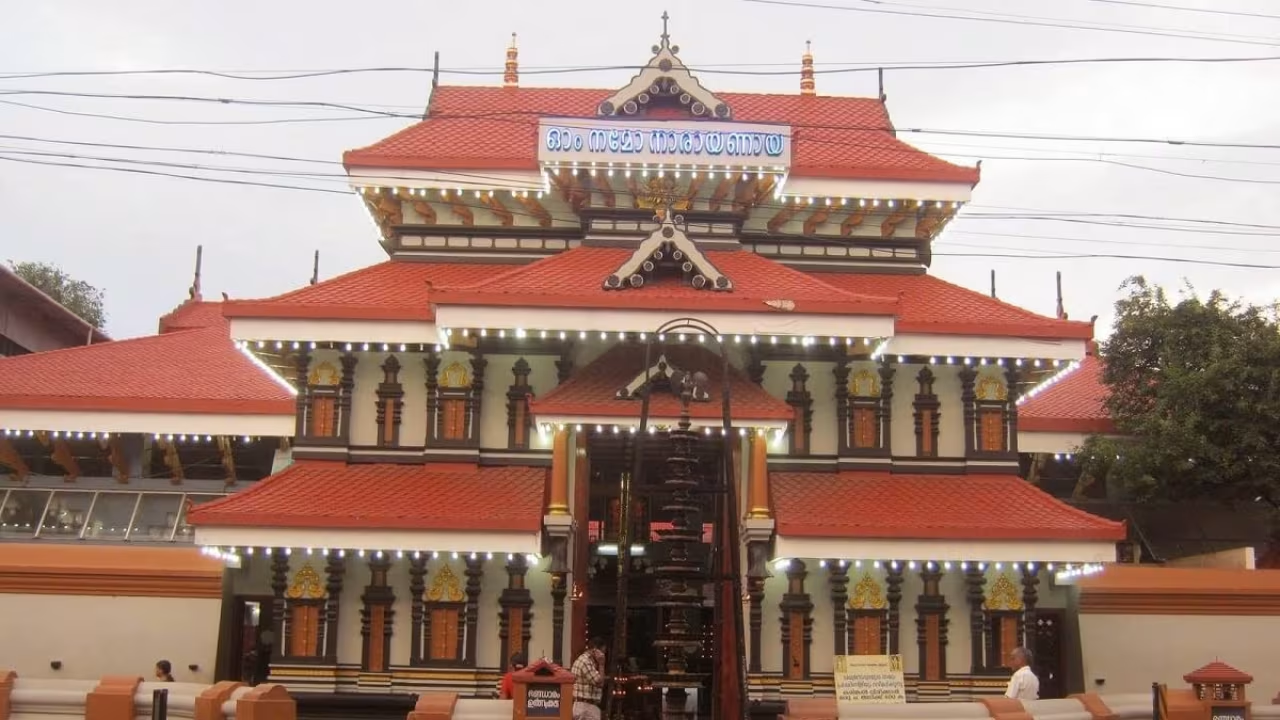
Guruvayur Sri Krishna Temple is one of the most popular pilgrimage centers in the state of Kerala. This temple is dedicated to Lord Krishna and it holds immense spiritual and cultural importance for devotees across various parts of India. For centuries, this temple has remained as an important center of worship, attracting thousands of pilgrims each year who seek blessings and participate in its traditional rituals. The temple is popular for its disciplined administration, structured pooja schedule, and following the ancient traditions.
History of Guruvayur Sri Krishna Temple
The history of Guruvayur Sri Krishna Temple is deeply connected with mythology, devotional tradition, and documented historical developments. According to Hindu mythology, the idol worshipped in this sacred place was originally worshipped by Lord Vishnu in Vaikuntha. After the submergence of Dwaraka, Guru, the preceptor of Devas, and Vayu, the wind good, are believed to have recovered the idol and install it at this temple. From the names Guru and Vayu, this place came to be known as Guruvayur.
Devotees refer this temple as Shree Krishna temple and worship the deity as Guruvayurappan, considering him as the child form of Lord Krishna. People from several generations have believed that the idol possess divine energy. According to inscriptions and literary works, the shrine became widely recognized in the fourteenth century. Several rulers of Kerala extended their patronage by granting land and wealth for the temple maintenance. This temple usually became a central place of worship, especially for devotees from central Kerala.
Traditional Kerala architecture can be seen in the temple’s structure. The sanctum is constructed with granite, while the roof is covered with copper plates. Wooden carvings and oil lamps enhance the spiritual atmosphere. The temple had renovation at different periods due to the damage caused by invasions and natural disasters.
In the eighteenth century, during the periods of political instability, the idol was temporarily shifted to protect it from possible threats. Once the situations are stabilized, it was reinstalled with proper rituals. These efforts showcase the strong faith of the local community in preserving the sanctity of the shrine.
The temple administration later came under a structured system, which helped in maintaining order and continuity in rituals. Devotees from all around the world visit this temple with offerings and prayers. The Shree Krishna Temple‘s long history is an evidence to dedication, tradition-keeping, and teamwork. Its continuous value over the ages is proof of the deep spiritual connection that people have with Guruvayurappan and the sacred traditions maintained within the temple premises.
Specialties of Sri Guruvayurappan Temple
Sri Guruvayurappan Temple is widely respected for its strict observance of rituals, devotional atmosphere, and long-following traditions. Devotees believe that sincere prayers offered here bring mental peace and relief from difficulties.
Idol and Sacred Form of Guruvayurappan
The central deity, Guruvayurappan represents Lord Krishna in a four-armed form holding conch, discus, mace, and lotus. The idol is believed to be made of a rare stone known as Patala Anjanam, which is considered highly sacred. The deity is decorated several times a day with flowers, tulsi garlands, silk garments, and ornaments provided by devotees.
The sanctum has a powerful spiritual presence. Only Hindu devotees are allowed inside the temple’s inner premises, and the atmosphere remains calm and disciplined. The steady flow of pilgrims reflects the deep faith associated with the idol.
Structured Daily Rituals
Another major specialty of the Sri Guruvayurappan Temple is its disciplined pooja schedule. Rituals usually begin early in the morning with Nirmalaya Darshan and continues throughout the day until the final Athazha Pooja at night. Each ritual is performed according to the traditional temple practices.
Devotees can participate in special offerings such as Udayasthamana Pooja, Thulabharam, and several homams. These offerings are booked through the temple administration and performed under strict guidance of temple priests. The regular performance of these rituals without any interruption is considered as a significant feature of the temple.
Temple Elephants and Devotional Offerings
The temple is also popular for its elephants, which are offered by devotees as an act of appreciation. These elephants are housed and maintained by the temple authorities. During festivals and celebrations, decorated elephants carrying ceremonial umbrellas and temple symbols create more spiritual experience.
Elephants have become an important part of the temple’s identity. As a sign of their deep devotion, devotees consider offering an elephant to the Sri Guruvayurappan temple.
Cultural and Musical Traditions
The temple has a strong connection with devotional music and classical arts. Many famous musicians and spiritual scholars have performed and offered prayers here. Devotional songs dedicated to Guruvayurappan are sung regularly within the temple premises.
Hindu scripture scenes are displayed in traditional mural paintings on the temple walls. These artistic elements add to the sacred atmosphere and reflect Kerala’s cultural heritage.
Strict Administration and Discipline
The management of the temple follows an organized approach. Darshan systems, offering counters, and queue systems are all organized. This disciplined administration helps in maintaining order even during heavy flow of pilgrims.
The Sri Guruvayurappan Temple is known for maintaining traditions while accommodating thousands of devotees daily. Its rituals, idol worship, elephants, and cultural associations together define the specialties that make this temple one of the most respected pilgrimage centers in Kerala.
Special Occasions in Sri Guruvayurappan Temple
Sri Guruvayurappan Temple celebrates several important festivals every year with traditional rituals. During these occasions, the temple witnesses a large gathering of devotees. The administration of guruvayur devaswom plays a major role in organizing and supervising all religious activities.
Guruvayur Ekadasi
Guruvayur Ekadasi is considered as the most significant festival of the temple. It usually occurs during the month of Vrischikam in Malayalam. Devotees observe fasting and participate in special poojas from early morning on this day. The temple remains open for extended hours to accommodate the large number of pilgrims.
Special rituals such as Vilakku and Deeparadhana are performed with devotion. Cultural programs, devotional music concerts, and spiritual talks are conducted as part of the celebrations. The Ekadasi Vilakku ceremony is considered as highly sacred, and many devotees wait patiently for hours to witness it.
Annual Festival
The annual temple festival lasts for several days and includes flag hoisting, daily celebrations, and ceremonial rituals. Decorated elephants participate in the procession carrying the idol representation under ceremonial umbrellas. Traditional temple drum music accompanies the events, creating a devotional atmosphere.
During these festival days, guruvayur devaswom arranges proper crowd management, security, and darshan systems. Volunteers and temple staff coordinate systematically to maintain order and discipline.
Krishna Janmashtami
The celebration of Krishna Janmashtami remembers the birth of Lord Krishna. Special poojas and abhishekams are performed in the sanctum. Children dresses as Lord Krishna and participate in devotional activities organized at the temple premises. Devotees consider this occasion an opportunity to offer butter and sweets to the deity.
Mandala and Other Observances
The Mandala season also attracts a regular flow of pilgrims. Devotees visit the temple after observing spiritual practices for forty one days. Other important observances include Vishu and Ashtami Rohini, which are conducted with traditional rituals and structured pooja schedules.
During festival seasons, many devotees prefer organized travel arrangements. We SouthIndiaTourism offer Kerala Divya Desam Temple tour package that cover different temples, allowing pilgrims to visit multiple sacred places in a planned manner. Accommodation, transport, and guided visits are available in this package, which reduces inconvenience during peak seasons.
Timings of Guruvayur Temple
Understanding the timings of Guruvayur temple is important for devotees who want to participate in specific rituals and avoid long waiting periods. The temple follows a planned daily schedule that begins early in the morning and continues until night.
Early Morning Rituals (3 AM to 9 AM)
The temple usually opens around 3 AM with Nirmalya Darshan. This darshan allows devotees to view the deity with the previous night’s decorations before they are removed. It is considered as one of the most sacred moments of the day.
After this, the priests starts performing Abhishekam and other purification rituals. Usha Pooja follows in the early morning hours. Devotees who prefer to worship in calm atmosphere choose this time, because the crowd is comparatively low.
Mid Morning and Noon Schedule (9 AM to 12:30 PM)
After the morning rituals, several important poojas such as Pantheeeradi Pooja and Ucha Pooja are performed. The temple remains open for darshan between rituals, although short intervals may occur when the sanctum is closed for specific ceremonies.
By early afternoon, after completing the Ucha Pooja, the temple closes for a short duration. This break allows priests to prepare for the evening schedule. When planning your visit, you should confirm the updated temple timings in advance, especially during festival days when schedules may change slightly.
Evening Darshan and Rituals (4:30 PM to 9:15 PM)
The temple reopens at 4:30 PM. Deeparadhana in the evening is an important ritual where oil lamps are lit, and the temple premises are filled with devotional chants. During this time, many people visit the temple to witness the illuminated sanctum.
Following Deeparadhana, Athazha Pooja is performed at night. After completing the final ritual, the temple closes at 9:15 PM. Guruvayur Temple Darshan continues in batches throughout the evening, depending on the crowd.
Special Day Timings
On important occasions such as Ekadasi and festival days, the temple may open earlier or close later than usual. Extended darshan hours are arranged to manage more number of visitors. The temple administration updates the timings of guruvayur temple during such periods to inform visitors.
Dress code and Restrictions in Guruvayur Temple
Guruvayur Temple follows a strict dress code and a set of traditional restrictions that every devotee must follow while entering the temple premises. These rules are based on long traditions and are implemented to maintain the sanctity and discipline of the temple environment.
Dress Code for Men
Men are required to wear a mundu while entering the temple. Shirts, banians, and upper garments are not permitted inside the inner temple premises. Devotees must remove their shirt before entering the sanctum area. Wearing trousers, jeans, shorts, or western style clothing is also not allowed.
Young boys are also expected to follow same guidelines. However, small children are given minor freedom in dress, provided their clothing remains simple and traditional.
Dress Code for Women
Women are supposed to wear sarees, set mundu, salwar kameez, churidar with dupatta or other traditional Indian attire. Modern outfits such as jeans, leggings worn without proper upper garments, skirts, and western dresses are strictly prohibited.
Girls are advised to wear pavada and blouse or other culturally appropriate clothing. At the entry, the temple authorities strictly monitor the devotees whether they follow the permitted dress codes.
Restrictions Inside the Temple
Mobile phones, cameras, smart watches, and electronic devices are strictly prohibited inside the temple. Devotees must handover these items at the designated counters before entering. Photography and videography within the temple premises are not allowed.
Carrying bags, large purses, and prohibited items into the temple is restricted. Security checks are conducted regularly to maintain order. Smoking, chewing tobacco, and consumption of alcohol are strictly forbidden within and around the temple premises.
Non-Hindus are usually not allowed to enter the inner temple area. This rule is part of the temple’s traditional practice and is strictly followed by the temple authorities.
Devotees must maintain silence and discipline while standing in queues for darshan. Any form of argument, pushing, or rude behavior is not permitted. Proper respect must be shown to temple priests, staff, and fellow devotees.
Where is Guruvayur Sri Krishna Temple Located?
Guruvayur Sri Krishna Temple is located in the town of Guruvayoor, within in the Thrissur district of the state of Kerala in South India. The temple town situated in the central part of the state and is well connected to major cities such as Thrissur, Kochi, and Kozhikode. Guruvayoor has developed into a popular pilgrimage place that attracts devotees throughout the year because of its religious significance.
The temple is located approximately 25 kilometers northwest of Thrissur city. The surrounding region consists of residential areas, pilgrim accommodations, small markets, and facilities arranged mainly to support visiting devotees. Near the temple entrance are shops that sell lamps, flowers, coconuts, and other pooja items.
Guruvayoor Kerala is slightly inland from the Arabian Sea coast, but coastal towns such as Chavakkad are located nearby. The temple’s location makes it easily accessible both from the coastal belt and the inland districts of Kerala.
The town has grown significantly because of the continuous arrival of pilgrims. There are several lodges, guest houses, and dining facilities are available that are easily accessible on foot from the temple. Roads leading to the temple are well maintained, and signboards clearly guide visitors to the shrine.
How to Reach Guruvayur Temple?
Guruvayur Temple is easily accessible by road, train, and air because of its excellent connectivity. Pilgrims traveling from within Kerala or from other states can choose the most suitable mode of transport based on distance and convenience.
By Air
The nearest airport to Guruvayur Temple is Cochin International Airport, which is located approximately 80 kilometers away. This airport connects Kerala with major cities such as Chennai, Bengaluru, Mumbai, Delhi, and several international destinations. From the airport, devotees can hire taxis, book app-based cab services, or use bus transport to reach Guruvayur. Travel time from Cochin International Airport to Guruvayur usually ranges between two to three hours depending on traffic conditions.
Another popular airport is Calicut International Airport, which is located at a distance of about 100 kilometers. Also, it provides domestic and international connectivity. After arriving at the airport, road travel is required to reach the temple town.
By Rail
Guruvayur has its own railway station known as Guruvayur Railway Station. Several passenger and express trains connect this station with major cities in Kerala and Tamil Nadu. The railway station is located very close to the temple, making it more convenient for pilgrims to reach the shrine within a short distance by an auto or on foot.
Thrissur Railway Station is another major railway station near to Guruvayur. It is an important junction on the Southern Railway network and connects with many long-distance trains. The Thrissur to Guruvayur distance is approximately 25 kilometers. From Thrissur, frequent buses, taxis, and private vehicles operate to Guruvayur. The road journey usually takes around 45 minutes to one hour.
By Road
Guruvayur is well-connected with both state highways and local roads. Regular bus services are available from Thrissur, Kochi, Kozhikode, Palakkad, and other cities in Kerala. Kerala State Road Transport Corporation operates regular bus services to the temple town.
Private cars and hired taxis are also popular modes of transportation. Roads are normally in perfect condition and clear signboards indicate the direction to the temple.